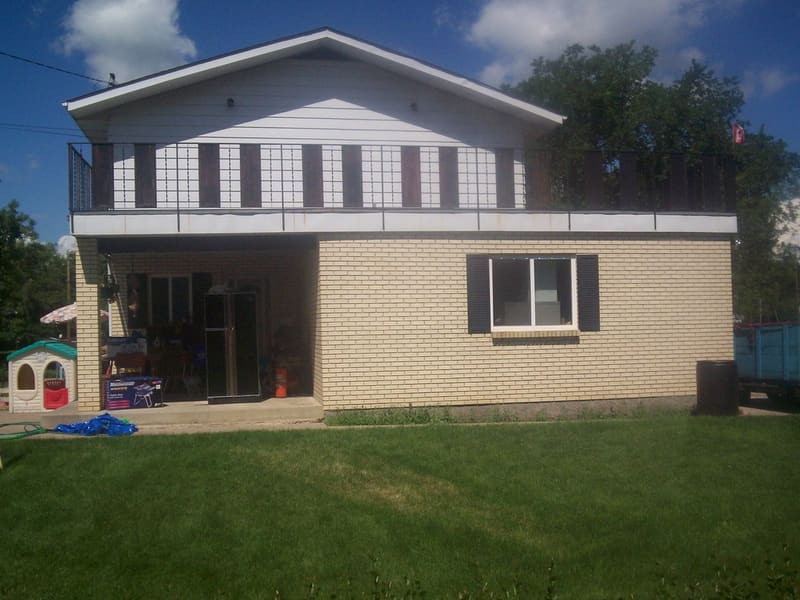
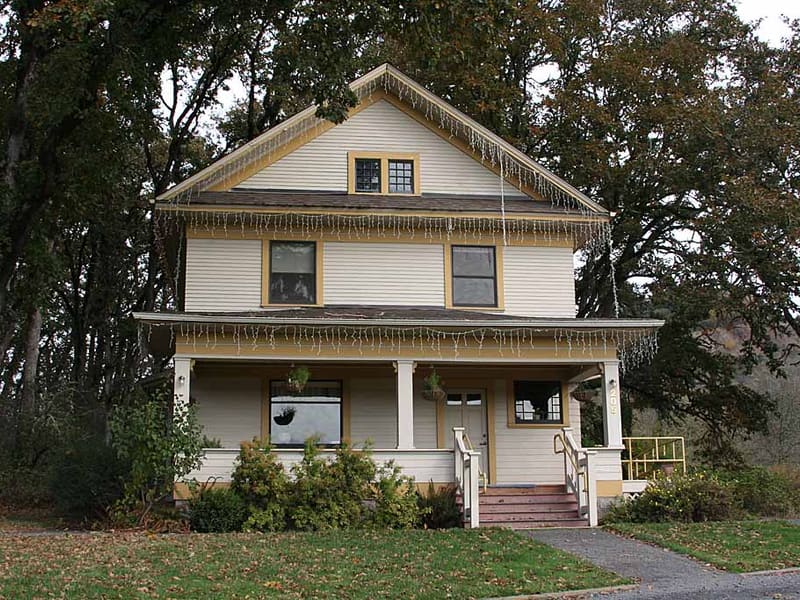
Siding damage often shows up during the same storms that damage roofs. Vinyl panels can pull loose, older aluminum can dent, trim can open at corners, and roof-to-wall flashing can let water behind the exterior.
A siding visit should look beyond the loose panel. The contractor should check where roof runoff hits the wall, whether flashing is directing water correctly, and whether hidden moisture is more important than the visible crack.
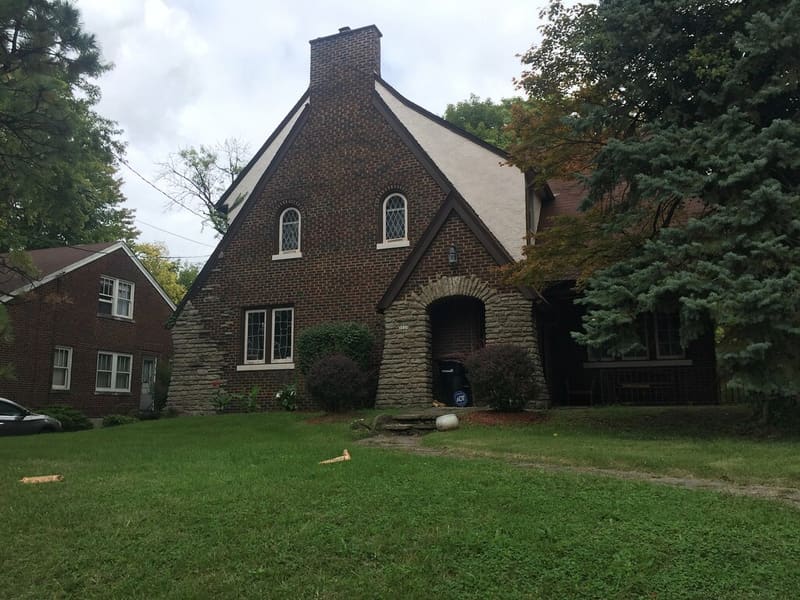
Repair matching on older exteriors
Bethlehem has enough older siding profiles that exact matching is not always possible. The quote should be honest about whether a small repair will blend, whether material can be sourced, or whether a larger wall section is needed for a clean result.
That conversation is better before panels are removed, not after the wall is open and matching material is unavailable.
Roof-wall transitions
Leaks blamed on siding sometimes begin at step flashing, kickout flashing, a sidewall roof line, or a clogged gutter that dumps water behind trim. Repairing the panel without correcting the water source only resets the problem.
When roof and siding issues touch, the written scope should identify both sides of the transition so responsibility is clear.
Storm and wind repairs
Wind can unzip panels, loosen J-channel, expose housewrap, or drive rain into small openings. Hail can damage siding and soft metals even when the roof damage is limited.
Photos, material notes, and a written scope help separate cosmetic damage from water-risk repairs.
For scheduling, call (610) 492-6917. Bethlehem Roof Pros routes the request to an independent Pennsylvania roofing contractor serving Bethlehem and nearby Lehigh Valley communities.